
"cultural export"
4000 article(s) found

A brief introduction to the Origin, Development, History and Culture of medium-grained Vietnamese Fine Coffee beans
Two years ago, I read a survey report that Vietnam has overtaken Colombia in coffee bean production, ranking second in the world after Brazil. But it is planted with Robusta trees, and there is still a big gap in the quality of coffee beans compared with countries such as Colombia and Brazil. Vietnam's coffee production is growing. Among Vietnam's new export products, tea ranks first and coffee ranks first.

COE Champion Manor Colombia Spring Manor Boutique Coffee Origin Development History Culture Introduction
Today the country is the second largest coffee producer after Brazil, the world's largest exporter of Arabica coffee beans and the world's largest exporter of washed coffee beans. Colombia coffee is often described as having a silky smooth taste. Of all coffees, it has the best balance. The taste is soft, smooth and ready to drink. It achieves the highest quality of coffee.

The third China Mangshi (International) Coffee Culture Festival was successfully held.
From December 7 to 9, Dehong Prefecture, Yunnan Province successfully held the third China Mangshi (International) Coffee Culture Festival. Coffee merchants and domestic businessmen from all over the world not only came to visit and negotiate, but also held coffee cup competitions with coffee experts and merchants from all over the world. What is different from previous years is that this year's cultural festival also invited experts and scholars from Portugal, Thailand and other countries to attend the international festival.
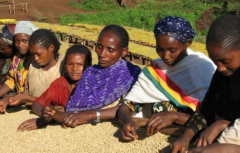
Ethiopia washed sidamo sidamo G 2 fine coffee beans origin development history and culture introduction
Sidamo is a famous boutique coffee region in southern Ethiopia, bordering Kenya. Sitama treated by washing is light green, small beans, oval growth, full fruit, good average quality, mellow smell, a drop of mouth, endless aftertaste, with wild beauty. Sidamo coffee is very diverse in flavor, different soils

History of Fine Coffee Culture Coffee Culture in Colombia
About 100 years ago, Colombian coffee was unknown to the world. The reason is that the superior geographical conditions for producing high-quality coffee have become obstacles in production and commercial activities. Coffee grown in the foothills must be picked manually. So today we can see the image of Wadi on a Colombian coffee bag dressed in traditional Colombian costumes and riding a donkey. In addition

Coffee-loving Americans in American Coffee Culture Coffee production in Latin America
Coffee-loving Americans coffee is second only to oil in the world, and the coffee consumed by Americans accounts for 1/3 of the world's total coffee consumption, and more and more Americans like to drink coffee. Enjoy coffee as a kind of fragrant and mellow beverage worth tasting carefully. Although it takes only a few minutes to drink a cup of coffee, from planting a coffee tree

Introduction to coffee culture in Tanzania
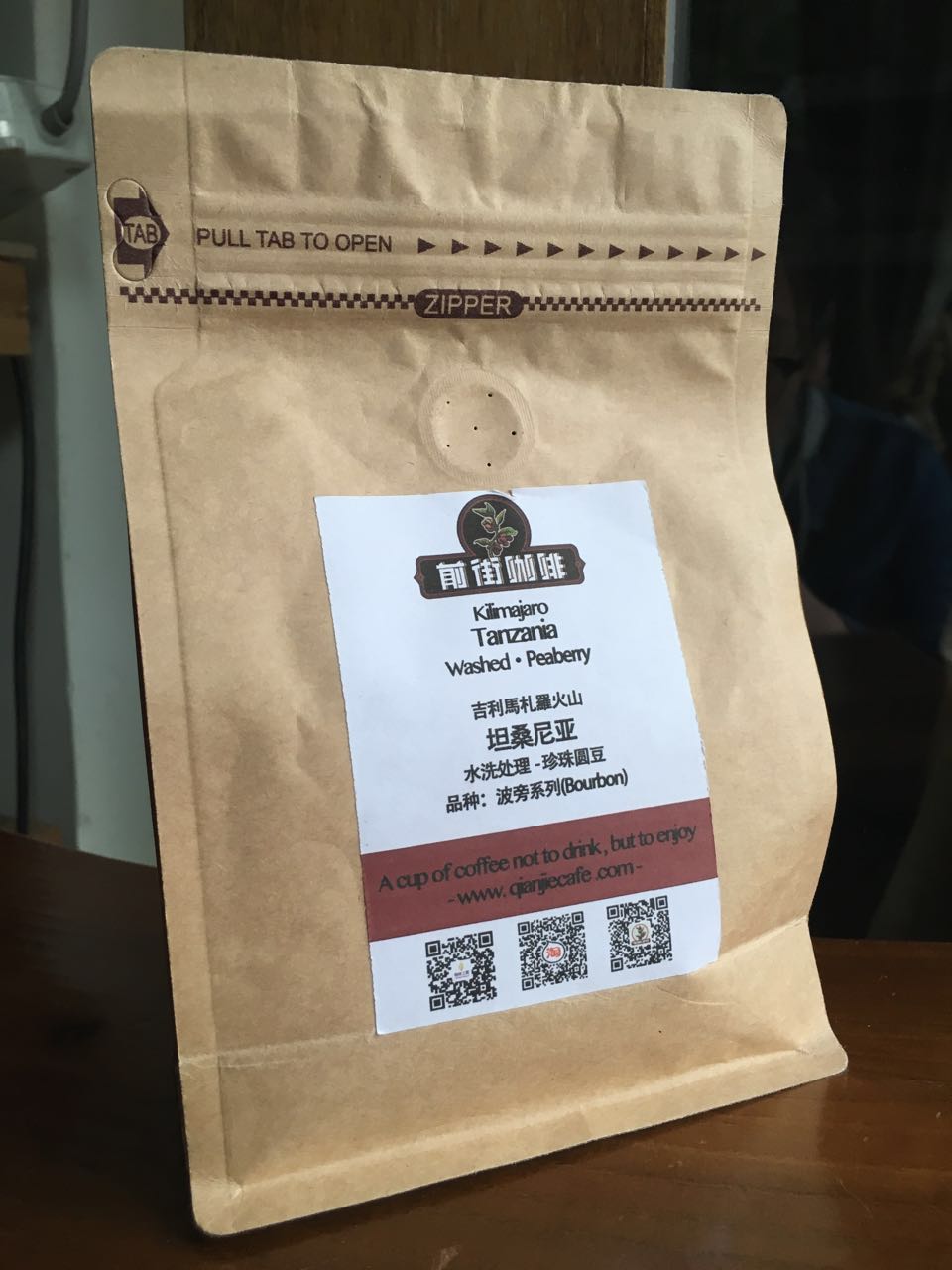
Coffee is one of the main cash crops in Tanzania, ranking fourth after cotton, tobacco and cashew nuts, mainly sold to Italy, Japan and the United States. Coffee exports play an important role in the national economy of Tanzania. Tanzania's main coffee producing area is located at the foot of Mount Kilimanjaro, which is rich in volcanic soil and coffee trees planted here.

A brief introduction to the History and Culture of the Origin and Development of Vietnamese Fine Coffee beans
Vietnam's geographical location is very favorable for coffee cultivation. Southern Vietnam has a hot and humid tropical climate, which is suitable for growing ROBUSTA coffee, while the north is suitable for growing ARABICA coffee. Coffee production in Vietnam has the following characteristics: (1) because there is no effective way to deal with fallen leaves, medium-grain coffee was selected as the main variety in the early 1980s. (2) take planting technology as

Introduction to Ethiopian Coffee Bean Culture of Ethiopian Coffee beans
Various forms of coffee cultivation can be found in Ethiopia: everything from wild coffee forests and semi-developed land to traditionally operated plots to modern plantations. About 50% of the coffee is grown more than 1500 meters above sea level. Harrar coffee is the highest growing area of all coffee in Ethiopia. Hara coffee can be divided into long coffee.
Characteristics of Guatemalan coffee beans cultural boutique coffee of Guatemalan coffee beans
Coffee production in Guatemala has declined relatively, at 700kg per hectare, while that in El Salvador is 900kg per hectare and that in Costa Rica is even more astonishing, at 1700 kg per hectare. The export of dangerous Dimara coffee is controlled by private companies, but the National Coffee Council (Asociacion Nacional de Cafe) controls the coffee industry.

Introduction to Ethiopian Coffee Culture and Flavor of Fine Coffee beans
The southern western highlands of Ethiopia (border of Shewa and Sidmo provinces) east of Jima, north of Sidamo, 3600-6200 feet above sea level are preferred by most Europeans and Americans, most of them are washed with water, their annual output is about 110000bags/60kg, most of the beans are round (15/16scr), the color is green and bluish, the export is mostly G2, the taste is similar to Yegashev, but the viscosity is thin, but

A brief introduction to the history and culture of the origin and development of Vietnamese boutique coffee beans with light sour taste
Coffee production in Vietnam has the following characteristics: (1) because there is no effective way to deal with fallen leaves, medium-grain coffee was selected as the main variety in the early 1980s. (2) based on the planting technology, the planting method of coffee was determined, that is, under the hot and humid climate in southern Vietnam, high density planting, large amount of irrigation, excessive fertilization and no shading trees were obtained.

Ethiopian coffee beans introduce Ethiopian coffee culture Ethiopian coffee
Professional coffee knowledge exchange more information about coffee beans please follow the coffee workshop (Wechat official account cafe_style) Ethiopia is one of the largest coffee producers in the world. However, its exports are less than half of its growth. In other words, it consumes more than half of its own production. For nearly 100 million people, this is about 500 million pounds of coffee, which is a special order.

Tanzania Coffee sets out for Tanzania Coffee Culture
Coffee is one of the main cash crops in Tanzania, ranking fourth after cotton, tobacco and cashew nuts, mainly sold to Italy, Japan and the United States. Coffee exports play an important role in the national economy of Tanzania. Tanzania's main coffee producing area is located at the foot of Mount Kilimanjaro, which is rich in volcanic soil and coffee trees planted here.

A brief introduction to the history and culture of the origin and development of Costa Rican boutique coffee beans with unique flavor
LaMinitaTarrazu coffee is a famous local product, but its production is limited, about 72600 kilograms a year. It is grown on a piece of land called LaMinita, which is owned by nearly three generations of the McAlpine family in the UK. In fact, this land can produce more than 450 tons of coffee a year. But the species of Tarasu Latin American coffee

Characteristics of Ethiopian coffee beans Cultural boutique coffee of Ethiopian coffee beans
Various forms of coffee cultivation can be found in Ethiopia: everything from wild coffee forests and semi-developed land to traditionally operated plots to modern plantations. About 50% of the coffee is grown more than 1500 meters above sea level. Harrar coffee is the highest growing area of all coffee in Ethiopia. Hara coffee can be divided into long coffee.

Introduction to the characteristics, Origin, Culture and Flavor of Mocha Coffee beans
Mocha is also a chocolate-colored coffee bean (mocha from Yemen), which suggests that coffee is mixed with chocolate and has developed a chocolate espresso drink. In Europe, mocha coffee may refer to either this drink or simply coffee made from mocha beans. Coffee mocha is single coffee or fancy coffee? There is a good answer to this question.

Coffee exports from El Salvador declined by 17.3%, about 132,000 government dollars less than the previous year.
The city of El Salvador has a large number of 16th-century buildings and religious buildings, many of which are decorated with 17th-and 18th-century carvings and stripes made of colored mud, reflecting the characteristics of the colonial period. Its overall characteristics are described through a forest of monuments and consistent ideas. All this shows that El Salvador is a city with a suitable structure for the colony.

Introduction of boutique coffee culture the latest introduction of Hougu Coffee Company
Hougu Coffee is the first local coffee brand in China. in addition, there are no other large-scale brands in China. Relying on the huge domestic consumer market and development potential, Hougu Coffee has good market development conditions. Hougu Coffee has a profound Chinese cultural heritage, absorbing the cultural traditions of Taoism and Confucianism. The meaning of Hougu comes from the moral Sutra, and the latter represents the king as the queen.
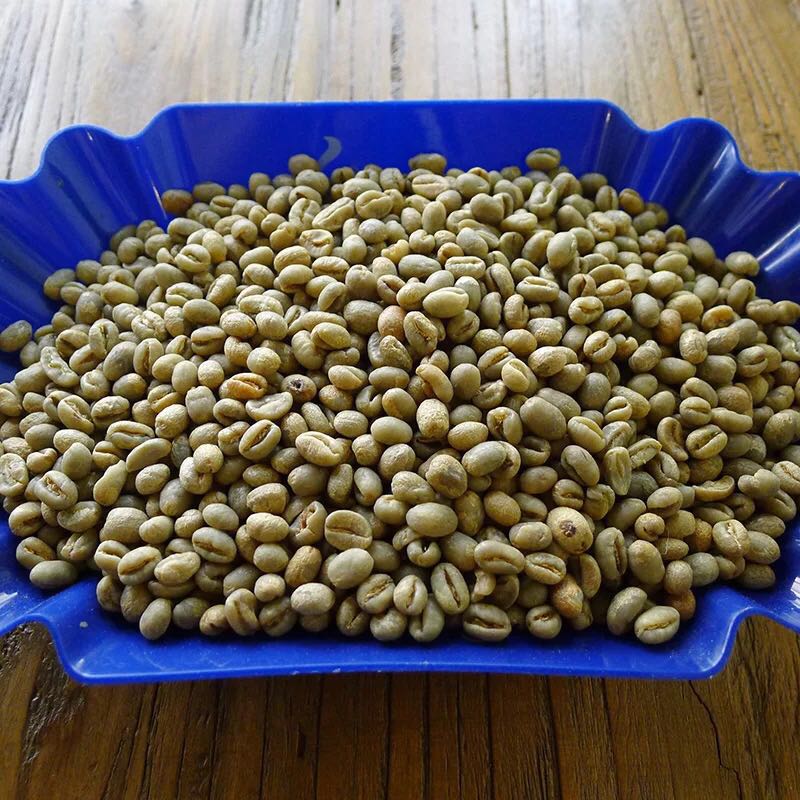
Characteristics of coffee beans in Tanzania A brief introduction to coffee beans in Tanzania the culture of coffee beans in Tanzania
Gourmet coffee has soft acidity and attractive aroma, which is absolutely worth enjoying. Coffee exports from Tanzania (Tanzania) play an important role in the whole national economy. Bean-shaped berry coffee is very productive and is said to be more fragrant than ordinary coffee. Generally speaking, the coffee beans in Tanzania have an extraordinary quality. For example, in the neighborhood of Kilimanja